
The most brain-changing thing in your room is a song
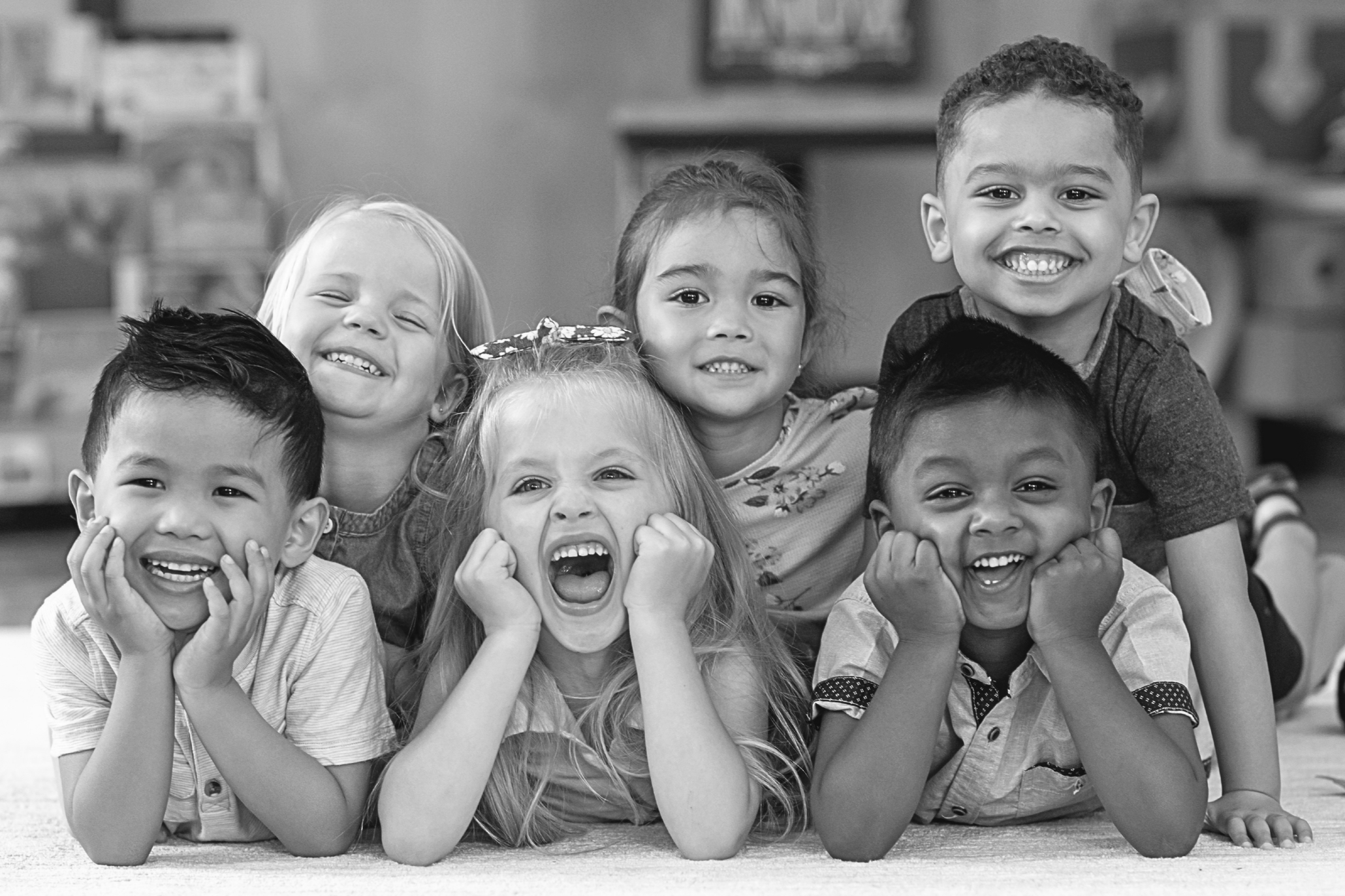
Musical play does extraordinary things for the developing brain. We teach the grown-ups in children’s lives to use it with intention, backed by brain science and a tonne of joy.
We train educators to use music as a daily teaching tool.
Not a performance or a time-filler, and definitely not the thing you squeeze into the five minutes before lunch.
Solid science and hands-on skills to deepen connection with your children and strengthen your impact during the years that matter most. The difference shows up in your rooms within weeks.
WHY MUSIC?
The fluffy bit? Yeah, nah.
Music is the foundation for everything else.
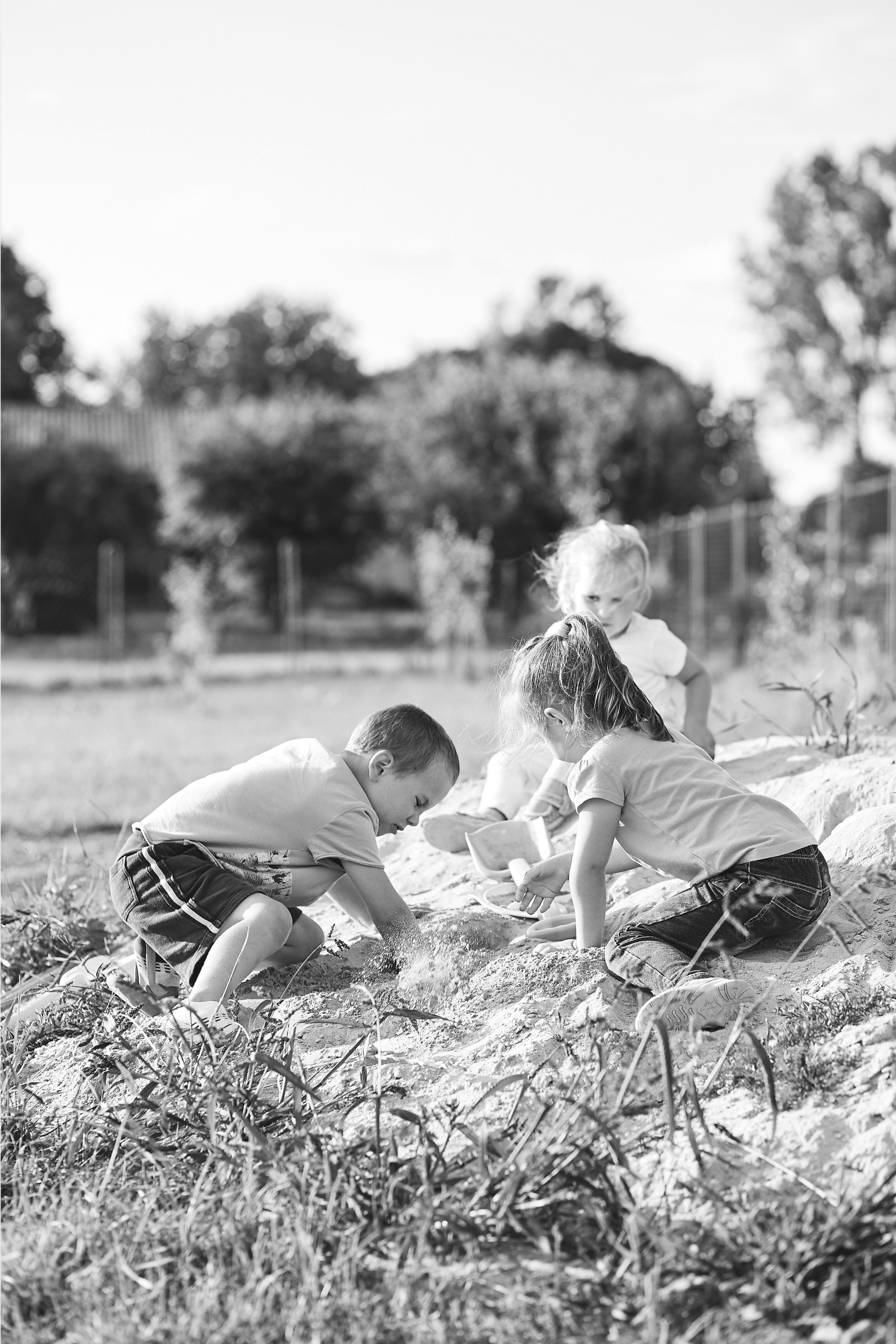
Build the early years on rhythm, song, and musical play, and everything that comes later - language, literacy, friendships, big school - has something sturdy to stand on.
Active music making may look like a silly song about a wombat that poops. You hear pot banging and rattle shaking. There are wiggles and giggles and many happy little Vegemites.
But underneath all that chaos, whole-brain development is having an absolute field day: regulation, connection, communication, executive function, confidence, school readiness, and a strong sense of self, all growing at once.
Educators notice it first, then the families. The kids just feel it.
REGULATE
CONNECT
THINK
EXPRESS
REGULATE CONNECT THINK EXPRESS
Everything we create is grounded in four things every child deserves to thrive in, and every adult can learn to support.
regulate
Children learn best when their nervous systems feel safe.
Rhythm, repetition, breath, movement, and predictable musical cues build that safety, settling a room down or lifting it up — for the children and the adults beside them.
connect
Relationships come first, always.
Music creates moments of shared attention and belonging, especially for children who find words, groups, transitions, or big feelings tricky.
A song can be an invitation, a rhythm a bridge, a silly sound the doorway in.
think
Music is packed with pattern, prediction, memory, sequencing, and impulse control.
In other words, it’s executive function practice wearing a sparkly hat.
Children rehearse the foundations of learning in ways that feel joyful and embodied, with no worksheets within cooee.
express
Every child needs ways to show who they are, what they feel, and what they need.
Music gives them a voice before they have all the words, and helps older children trust the voice they already have.
the difference you’ll feel
When music is used with intention, it changes the whole atmosphere. Rooms feel calmer and transitions stop being a battle. Educators feel more resourced instead of run ragged.
Children find more ways to be a part of the group, to learn, to relate to each other. Families see joyful, intentional practice in action and tell everyone they know.
None of this is magic and none of it requires a beautiful singing voice. It happens because children aren’t data points, educators aren’t machines, and music is not decoration. It’s development in disguise.
The most brain-changing thing in the room.
shaping childhoods through
Speaking programs
Primary years programs supporting Year 5–6 students to develop confidence, voice, and presence. Using play and brain science.
Speaking programs
Primary years programs supporting Year 5–6 students to develop confidence, voice, and presence through musical play.
Speaking programs
Primary years programs supporting Year 5–6 students to develop confidence, voice, and presence through musical play.