private tuition
music lessons with julie
Individual Piano & Flute lessons with Julie Murray
B.Mus | 20+ Years’ Experience | Neuro-Music Practitioner
Supportive, neuro-affirming music tuition that meets each learner where they are - while building strong musical foundations, confidence and independence.
Whether you’re learning for enjoyment, working towards exams, preparing for VCE Music or simply ready to discover what you can do, lessons are shaped around you.

Grow confidence
|
Love making music
|
Build skills
|
Grow confidence | Love making music | Build skills |


Who are lessons for?
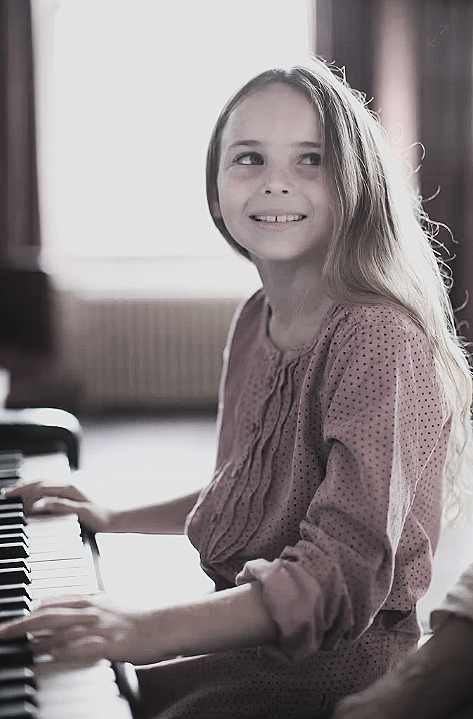
Children, teenagers and adults are all welcome here
Lessons are suitable for complete beginners through to experienced musicians, including learners preparing for senior secondary music or examinations.
They may be particularly helpful for students who:
benefit from individualised teaching
learn differently from their peers
have found traditional music lessons difficult to access
need more flexibility around pace, attention or processing
enjoy learning through a combination of listening, movement, visual information and doing
want to rebuild confidence after a previous learning experience
simply want a teacher who will get to know how they learn
ADHD, Autistic, dyslexic and otherwise neurodivergent learners are warmly welcomed.
In fact neuro-affirming music-making practices are hugely beneficial for sparkly brains!
At Sounds Like This we celebrate neurodivergence, and the creative ways we can support you in living a life that celebrates it too.
Great music teaching, designed for different kinds of learners.
There is no single “right” way to learn music.
Some students learn best by listening. Some need to see it, move it, repeat it, break it down or understand why before it clicks. Some thrive with structure and predictability; others need space to explore.
At Sounds Like This, the goal is not to make every learner fit the same teaching method.
We adapt the teaching so the learner can access the music.
Lessons are individualised, strengths-based and neuro-affirming, with high-quality music education at their centre.
learning MUSIC develops
more than just musical skillS

Learning an instrument asks the brain and body to work together in remarkable ways.
We listen, move, remember, anticipate, sequence, coordinate, notice patterns, make decisions, regulate our actions and communicate meaning - often at the same time.
That means music lessons provide rich opportunities to develop musical skill alongside broader learning capabilities such as attention, coordination, listening, memory, persistence and confidence.
But there is an important distinction…
We don't use music instead of teaching music.
We teach music well and thoughtfully
use the process of learning music
to support the whole learner.
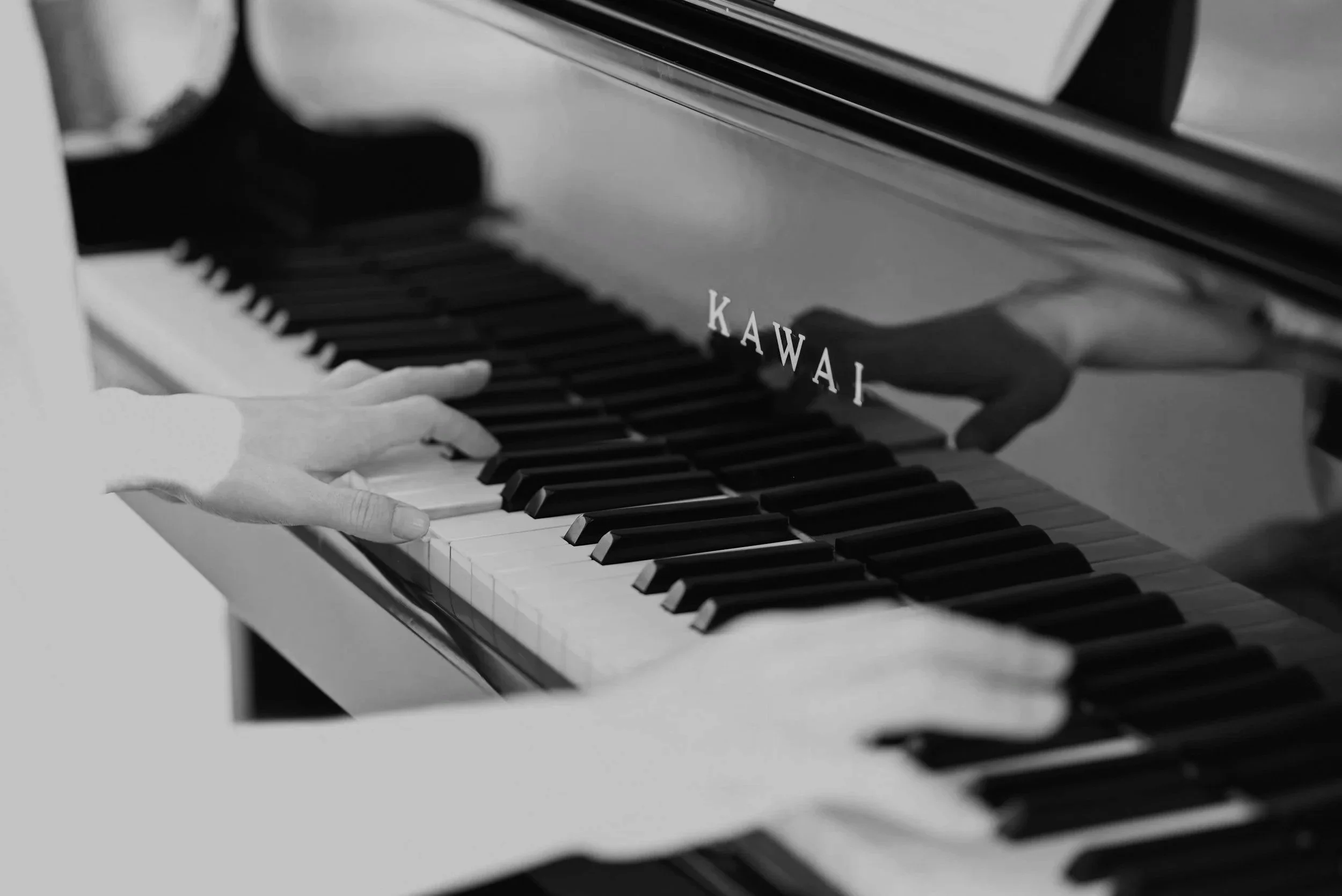
Learn in a way that works for you
Lessons can include:
Piano + Flute — beginner through advanced
VCE Music preparation
AMEB and other exam preparation
Music theory
Aural and listening skills
Rhythm, pitch and musicianship
Reading and understanding music notation
Technique and expressive playing
Improvisation, creativity, song writing and musical exploration
Students do not have to pursue exams or formal pathways.
For some learners, success might mean preparing for a performance or achieving an examination goal.
For another, it might be playing a favourite song independently, confidently trying something difficult, understanding notation for the first time or simply discovering “I can do this.”
Neuro-affirming music learning

A neuro-affirming approach recognises that differences in attention, communication, sensory processing, movement and learning are part of normal human diversity.
Rather than asking:
“How do we get this student to learn the usual way?”
we can ask:
“What does this learner need in order to access the learning?”
That might mean:
changing the pace
reducing unnecessary cognitive load
breaking something into smaller steps
using visual, auditory or movement-based cues
providing extra processing time
creating greater predictability
approaching notation differently
incorporating a learner's interests
allowing movement or sensory regulation
finding another way to explain the same musical concept
The destination can still be excellent musicianship.
We simply recognise that there can be more than one road to get there.
Good teaching isn't about lowering expectations
It’s about identifying and navigating the pathways that help each learner reach them.
A good teacher knows how to do the thing. More importantly, they know how to communicate it. They share practical tools that build understanding, scaffold skills and grow a student’s capacity over time.
And beyond the skills themselves, good teaching builds something deeper: a student’s belief in themselves as a musician and a creative human.
I can make music.
I am creative.
I am capable.
That sense of musical identity matters just as much as learning to play the notes.

Enrolments now open
Interested in learning with Julie?
Tell us a little about the person interested in lessons, their instrument, any previous experience and what you're hoping they might gain from learning music.
You don't need to know exactly what pathway is right yet.
We can work that out together.
Meet
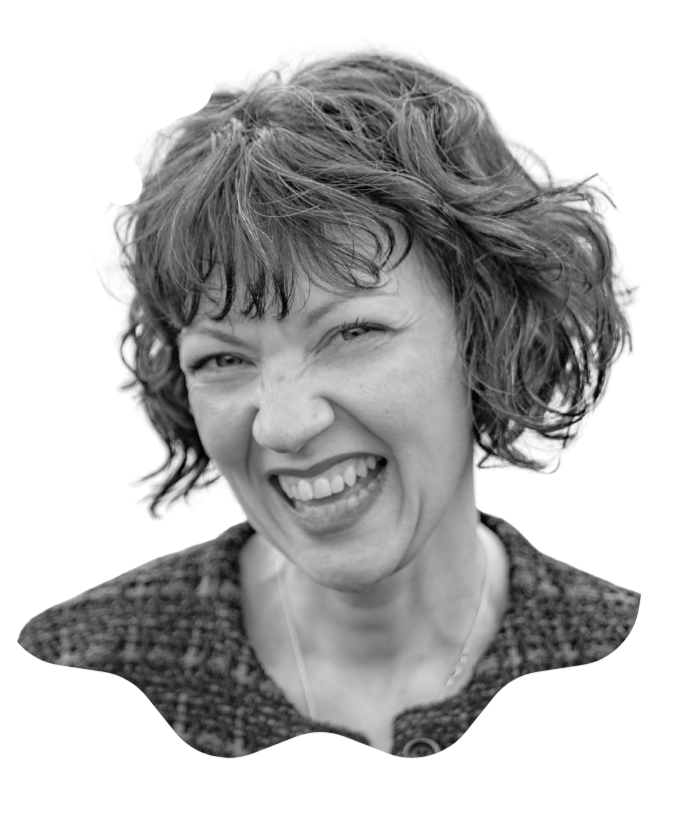
Julie Murray
sounds like this founder
B.Mus | Neuro-Music Practitioner | 20+ Years’ Experience
Julie is the heart behind Sounds Like This, a music educator, musician and mother who has spent more than two decades helping children, young people and adults build confidence, understanding and genuine musical independence.
Her own musical journey began at seven with a little beige Yamaha recorder that went everywhere. Around the house, into the garden and, apparently, even into the bath. Very little has changed. These days, Julie is still making music every day, often from her garden studio, and still believes that music belongs in everyday life, not just in lessons and concert halls.
Julie began formal flute lessons at eight and soon added piano. Growing up in an AC/DC and Pink Floyd-filled home, her family suddenly found Bach and Mozart joining the record collection as Julie’s musical world expanded. Music also became an early source of confidence. She busked at Mornington Peninsula markets, performed in the Sydney Olympic Opening Ceremony in 2000 and at the Beijing University Games in 2001, and went on to perform with orchestras, concert bands, chamber ensembles and as a soloist.
After completing her Bachelor of Music at the Melba Conservatorium in 2006, Julie was invited to help run the Conservatorium’s lesson and concert programmes. This experience strengthened a long-held dream of creating a music school of her own.
That dream eventually became Sounds Like This.
Julie’s teaching is grounded in strong musicianship, but it is equally shaped by a deep curiosity about how people learn. Her approach is neuro-informed, affirming and responsive, recognising that there is no single pathway to musical understanding.
A key part of Julie’s work is helping to normalise inclusive practice. She believes thoughtful adjustments for neurodivergent learners, disabled learners and people with different physical, sensory, communication and learning needs should not be treated as unusual or additional. Wherever possible, accessibility, flexibility and choice are simply built into the way learning happens.
For Julie, inclusion is not about lowering expectations. It is about identifying what helps a learner access the experience, participate meaningfully and develop their skills with dignity and confidence.
Lessons are warm, purposeful and individualised, with a focus on giving students the practical tools, knowledge and confidence to work things out for themselves, rather than simply moving from one piece to the next.
What matters most to Julie is that students begin to see themselves differently through the process.
I can make music. I am creative. I am capable.
Those twinkly-eyed “ah-ha” moments, when something suddenly clicks, are still one of her favourite parts of teaching. For Julie, learning music is about more than playing the right notes. It is an opportunity to build independence, creativity, perseverance and a lasting belief in yourself as a learner and musician.
Motherhood deepened this philosophy further, reinforcing Julie’s belief in learning environments that honour children as they are, nurture connection and confidence, and make space for different brains, bodies and ways of learning.
Today, Julie brings together decades of musical experience, education and an evolving understanding of neurodevelopment and inclusive practice to create music learning that is thoughtful, rigorous, playful and deeply human.
Thinking about lessons with Julie?
Julie’s home studio currently has limited availability for new 1:1 tuition students. If you’ve been thinking, “Maybe I should reach out…” now is the time!
ABOUT JULIE
Was awarded her Bachelor of Music from Melba Conservatorium
Is a certified Neuro Music Educator, mentored by Dr Anita Collins

Inspires and educates adults working in Early Years Education through Professional Development masterclasses, workshops and courses
Is a captivating and exciting Keynote Speaker on music education and brain development supported by music-making


Is a Feierabend-accredited teacher in First Steps in Music and Conversational Solfege
Her programs are inspired by: Zoltan Kodály and Dr John Feierabend
Teaches:
Flute, Piano, Musicianship, Theory & Aural training
As well as:
Children’s and adult
choirs, women’s singing circle, Primary children’s speaking programs
Host: State Library Victoria’s Children’s Quarter 2021, 2022 + 2023, has performed with Orchestra Victoria, the NAVY and Army Bands.
Loves:
Streetsweeps, snorkeling, paella + frozen margarittas, 60s soul + 70s funk, snorkeling, gardening + dogs!